Hamilton, Ontario, known as “Steeltown” or “The Hammer,” is a major Canadian industrial hub founded on the southern shore of Lake Ontario. Settled by Loyalist’s in 1778 and formally laid out by George Hamilton in 1815, it evolved from an agricultural area into a manufacturing powerhouse, becoming Canada’s leading iron and steel producer.
EARLY SETTLEMENT
1778-1816: Loyalists & Founding
1778: Loyalists fleeing the American colonies began settling in the area.
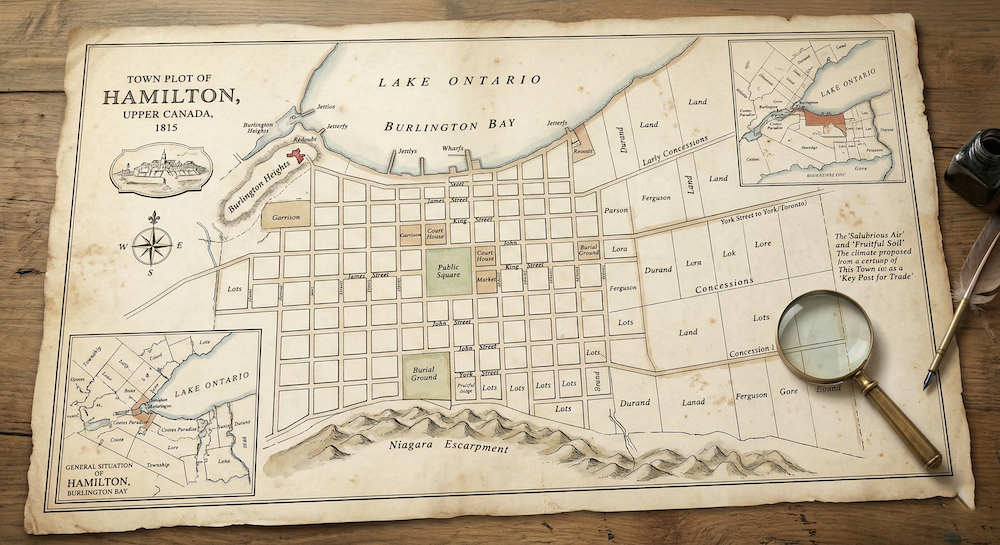
1815: George Hamilton, a local farmer and land speculator, purchased property from James Durand and laid out a town plot, forming the basis of the city.
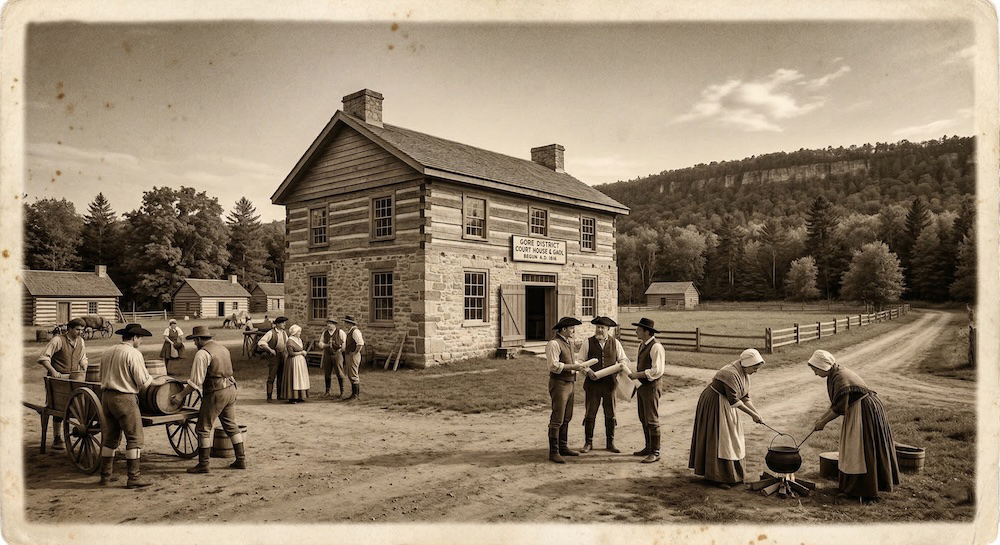
1816: Hamilton was designated as the seat of the Gore District, establishing its role as an administrative center.
INDUSTRIAL ERA
Steeltown: Canada's Industrial Heart
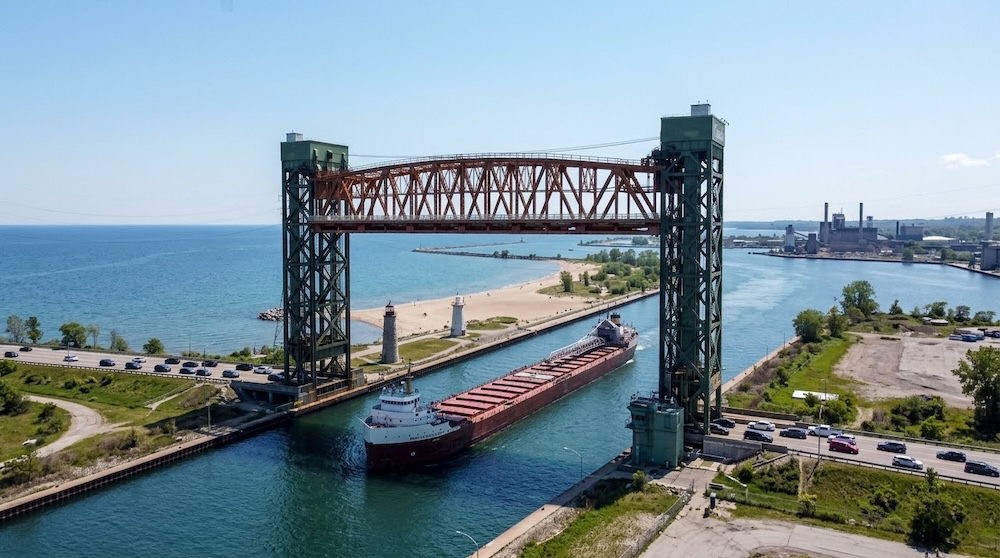
19th Century: The construction of the Burlington Canal (1820s-1830s) improved shipping, and the arrival of the Great Western Railway in 1854 solidified its role as a manufacturing center.
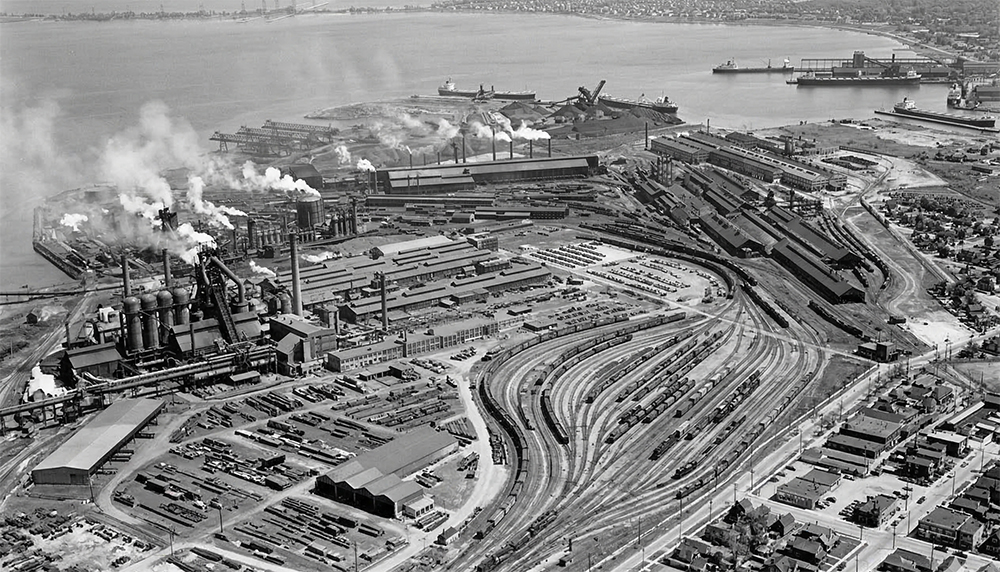
“Steeltown”: By the early 20th century, Hamilton became the heart of Canada’s steel industry, with major companies like Stelco and Dofasco establishing operations.
Mid-20th Century: The city expanded significantly, with the 1950s seeing major infrastructure projects like the Jollycut, which connected the lower city to the mountain.
MODERN HAMILTON
2001 Amalgamation & Today
2001: The Regional Municipality of Hamilton-Wentworth was amalgamated into the new City of Hamilton, which includes surrounding communities like Ancaster, Dundas, and Stoney Creek.
Diversification: While retaining its industrial roots, modern Hamilton has diversified into:
Healthcare (Hamilton General Hospital, McMaster Children’s Hospital, St. Joseph’s Hospital and Juravinski Hospital) and
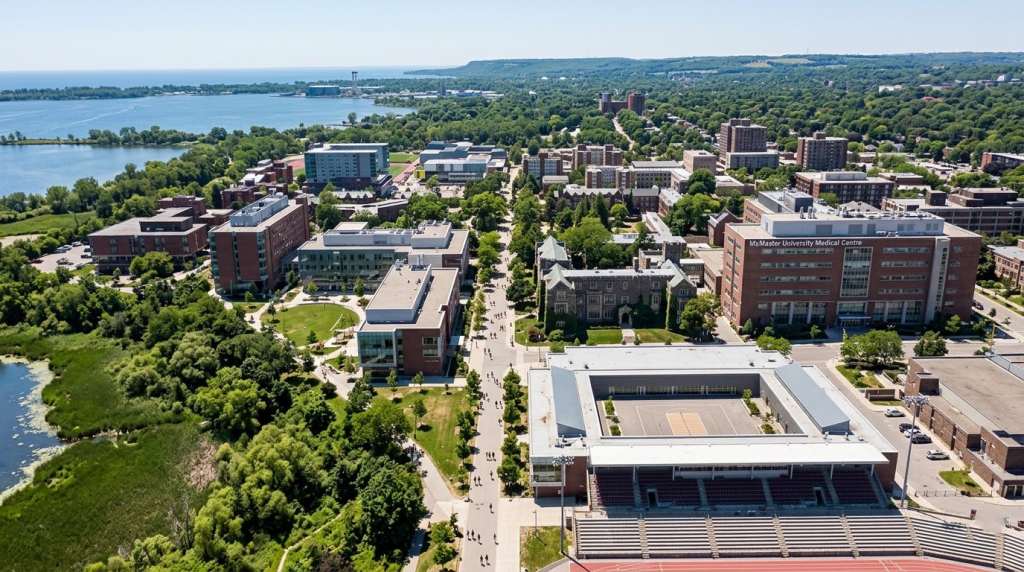
Education (McMaster University, Mohawk College and Redeemer University),
Healthcare and Education are Hamilton’s main redemptive gifts.
The Three H's
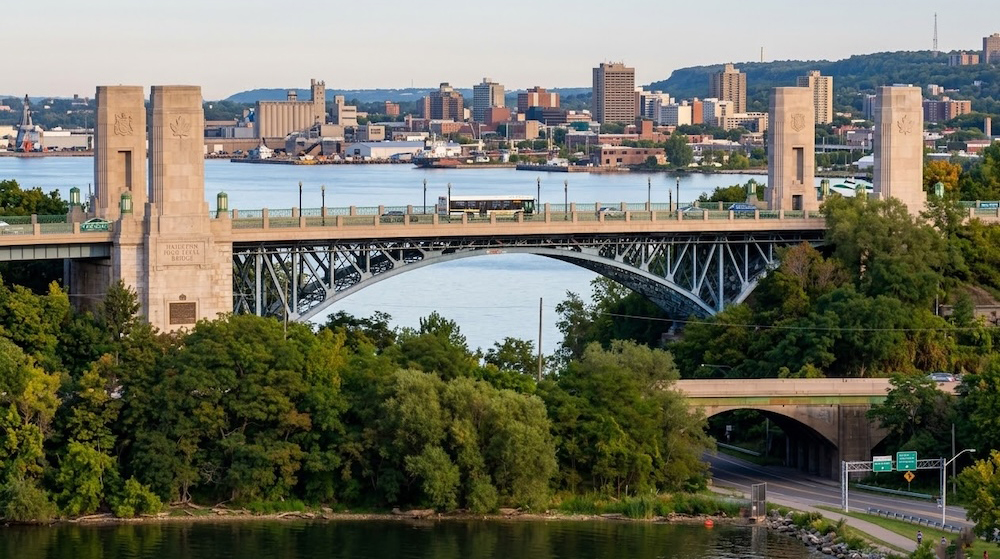
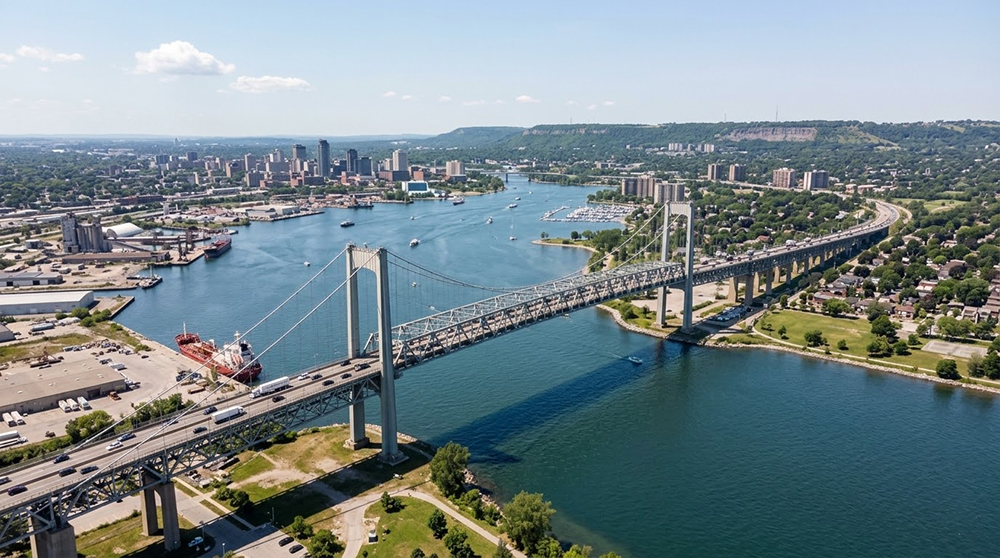
The 3 H’s represent the 3 bridges and includes the Burlington Canal Bridge, the High level Bridge, and the Burlington Skyway. It symbolizes unity and partnerships.
Hamilton is often nicknamed “The City of the Three H’s” because of three defining historical influences:
Three capital H’s grouped together in a triangular or circular layout, symbolizing balance and unity between the three pillars.
Hamilton is often nicknamed “The City of the Three H’s” because of three defining historical influences:
Three capital H’s grouped together in a triangular or circular layout, symbolizing balance and unity between the three pillars.
Health
Hamilton became known for its strong healthcare institutions, especially with the presence of Hamilton Health Sciences and St. Joseph's Healthcare Hamilton. The city is also home to McMaster University, a globally recognized medical research university.
Happiness
In the late 19th and early 20th centuries, Hamilton promoted itself as a pleasant, livable city, with parks, waterfront access, and a strong community culture.
Home
Hamilton has long been a city of industry and immigration, giving generations of families a place to settle and build their lives.
CIVIC IDENTITY
The Hamilton Flag
Key Elements and Significance:
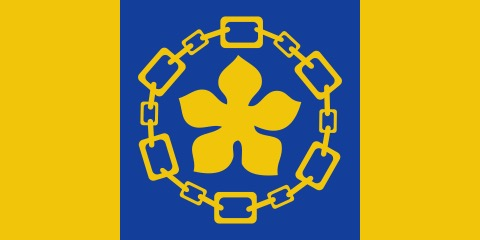
Design: A “Canadian pale” style (vertical stripes of yellow-blue-yellow).
Colours: Blue and gold have traditionally represented the city.
Cinquefoil: A five-pointed heraldic flower (from the Clan Hamilton badge) that represents the city’s name.
Chain: Twelve links (six large, six small) symbolize the unity of the 6 former municipalities—Hamilton, Stoney Creek, Ancaster, Dundas, Flamborough, and Glanbrook—while representing the city’s steel industry.
Context: The flag was presented to city council in December 2002 and is used as the official civic banner.
The flag of Hamilton, Ontario, was designed by Bishop Ralph Spence and adopted in 2002.
This city was built by faith, industry, and community. Join us in interceding for Hamilton’s future — its leaders, hospitals, schools, and neighbourhoods.
This city was built by faith, industry, and community. Join us in interceding for Hamilton’s future — its leaders, hospitals, schools, and neighbourhoods.